Europe's Sustainable Workwear Brand
Europe's Sustainable Workwear Brand


Zaksberg manufactures EN 1149-5 certified antistatic workwear and uniforms for industrial environments where controlled electrostatic dissipation forms an important part of workplace safety.
Our antistatic workwear solutions support organizations across lithium-ion battery manufacturing, electrical equipment manufacturing, petrochemical and gas processing, oil and gas, chemical industries, mining, food production, EV and automotive manufacturing, paint manufacturing and automobile body shop painting operations.
From specification development and sampling to customization, bulk manufacturing and repeat supply, Zaksberg works with industrial organizations to develop antistatic workwear aligned with their operational, workforce and technical requirements.
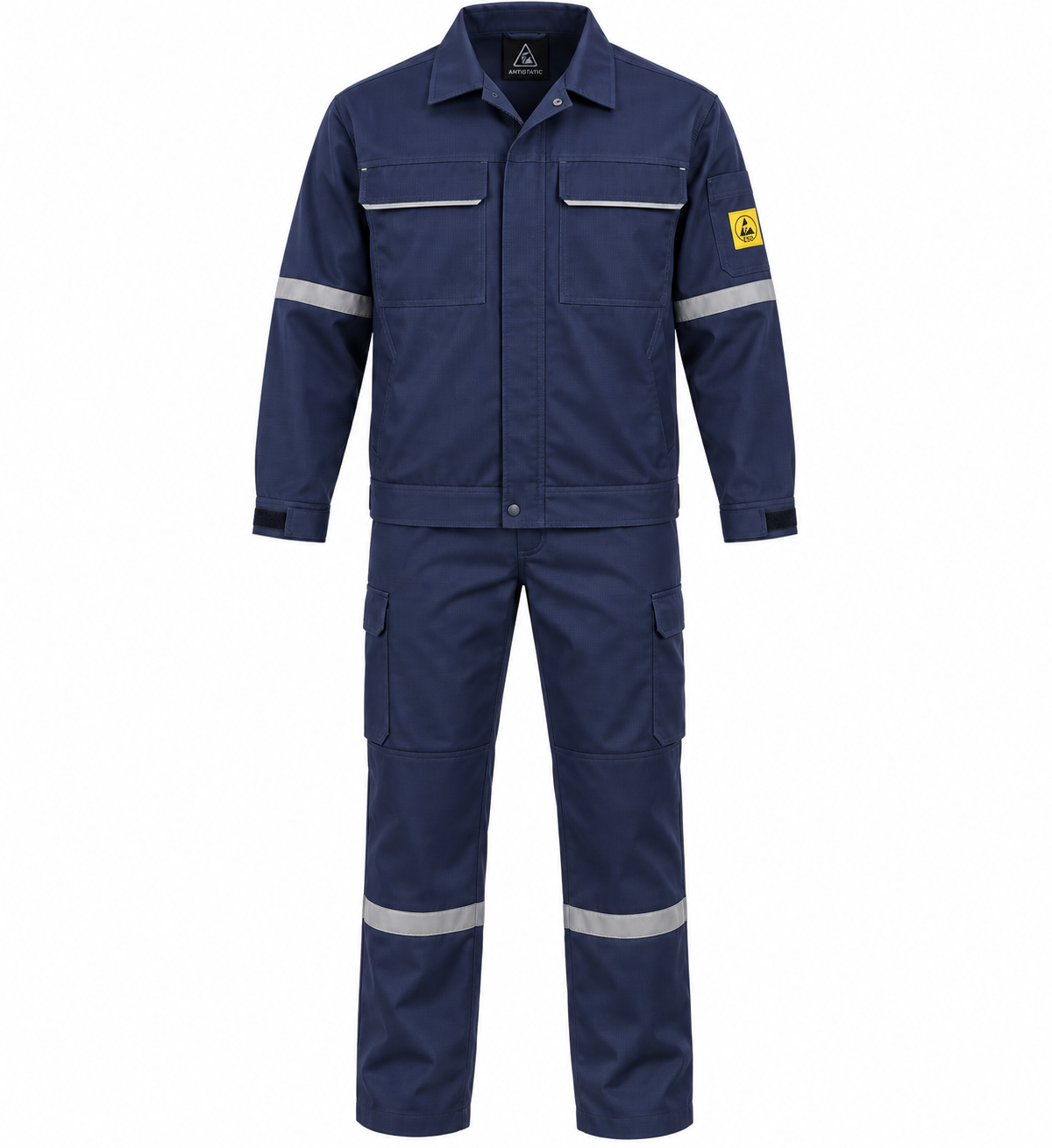
Zaksberg provides a focused range of antistatic workwear for industrial and professional applications.
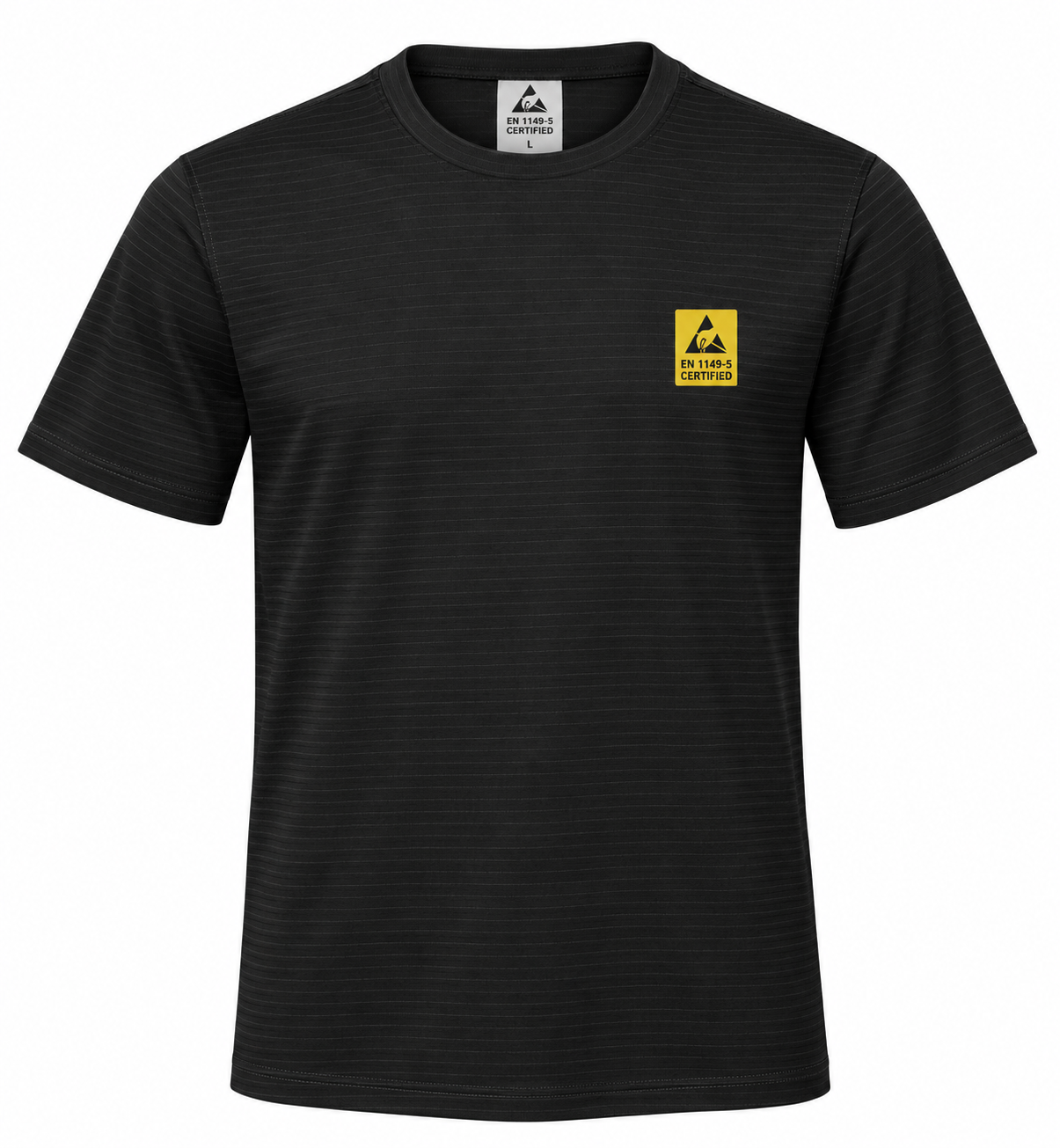
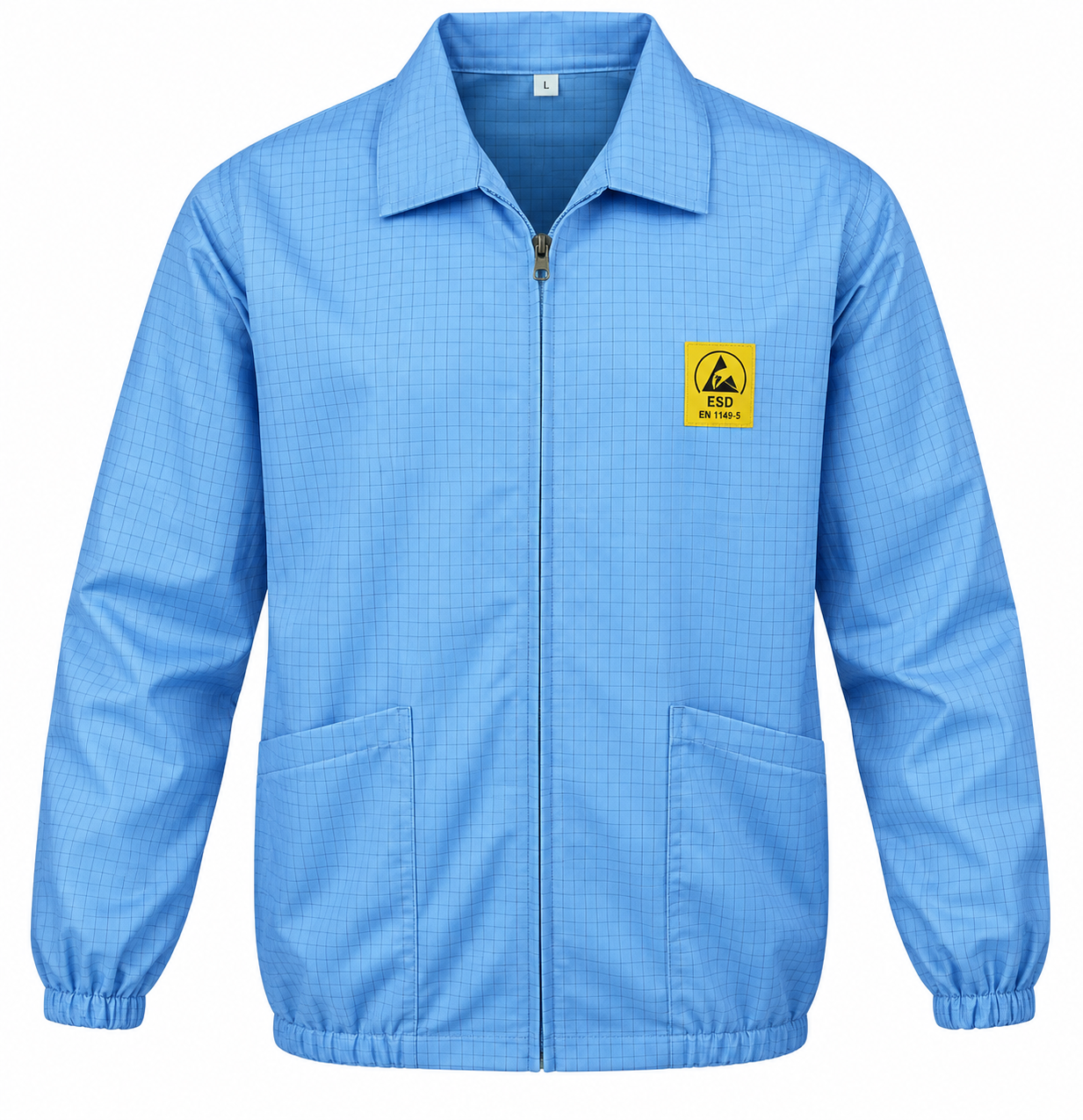
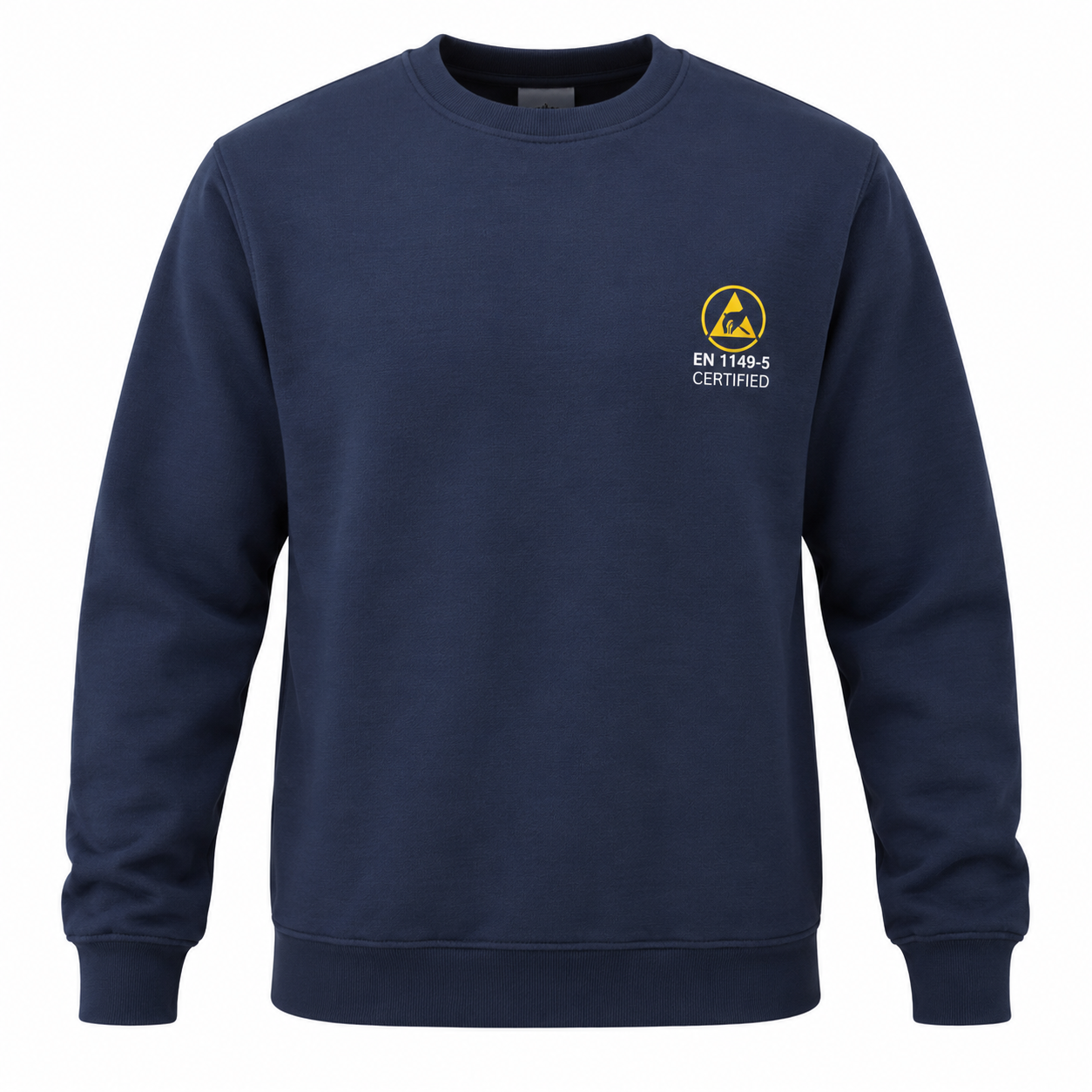
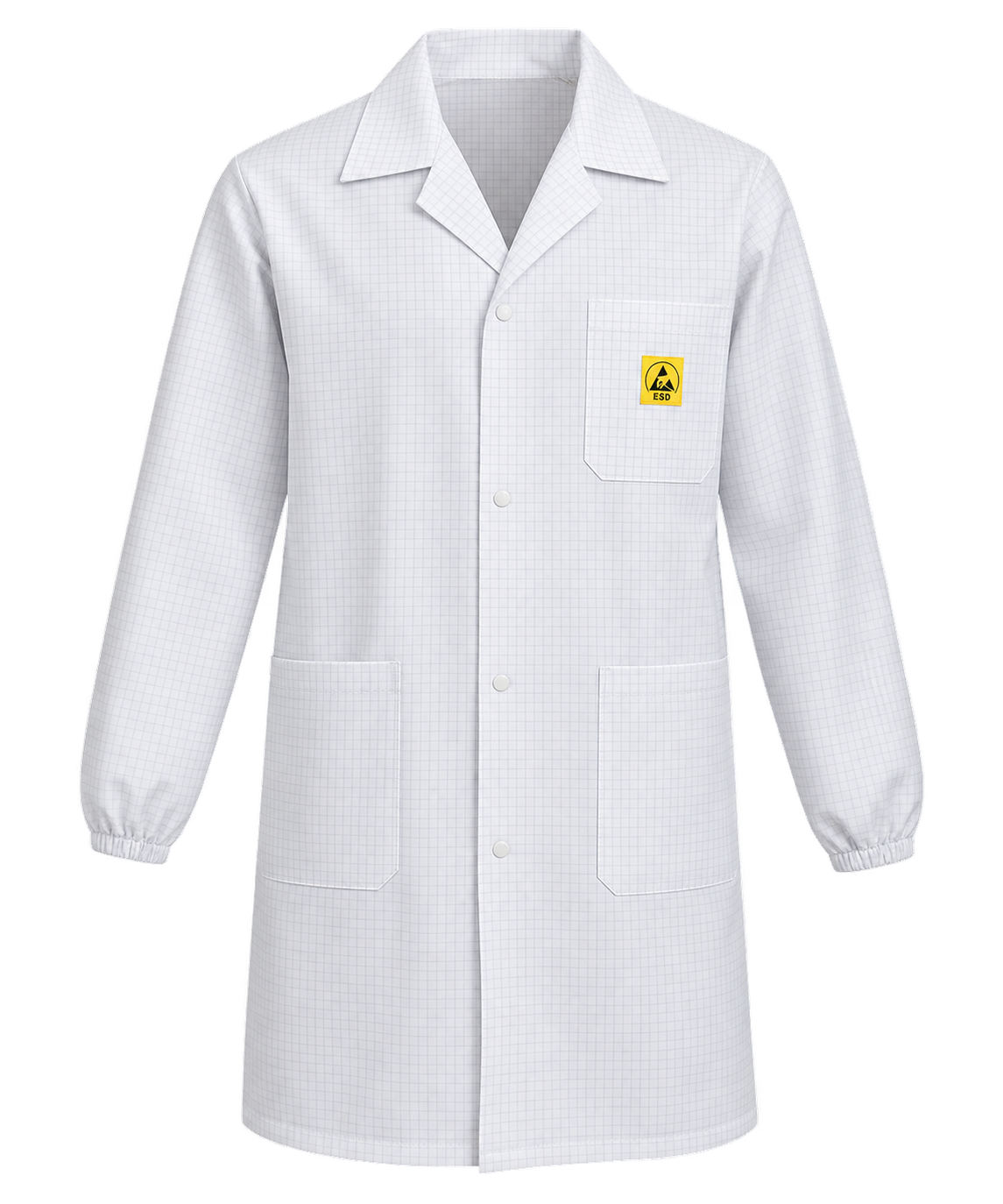
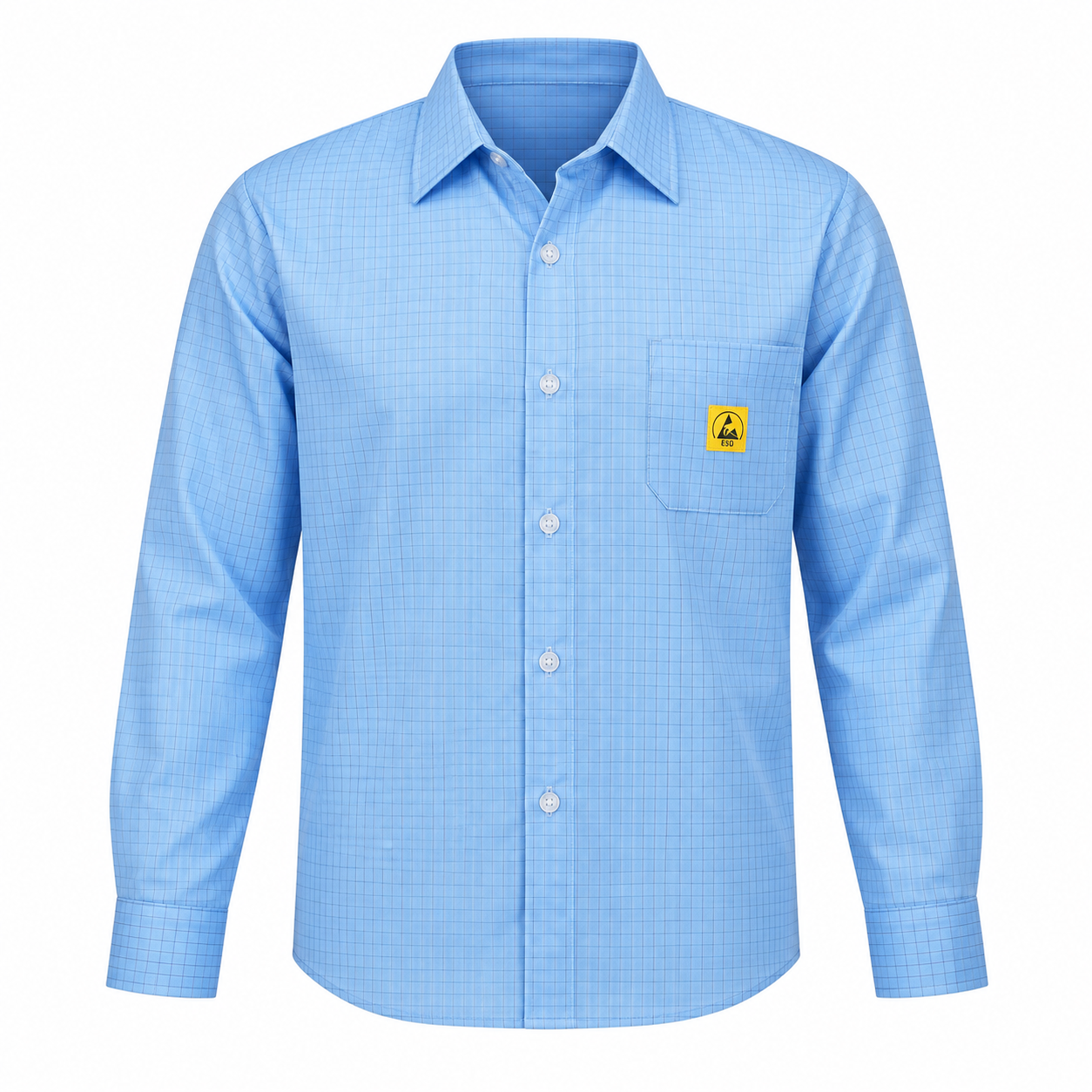
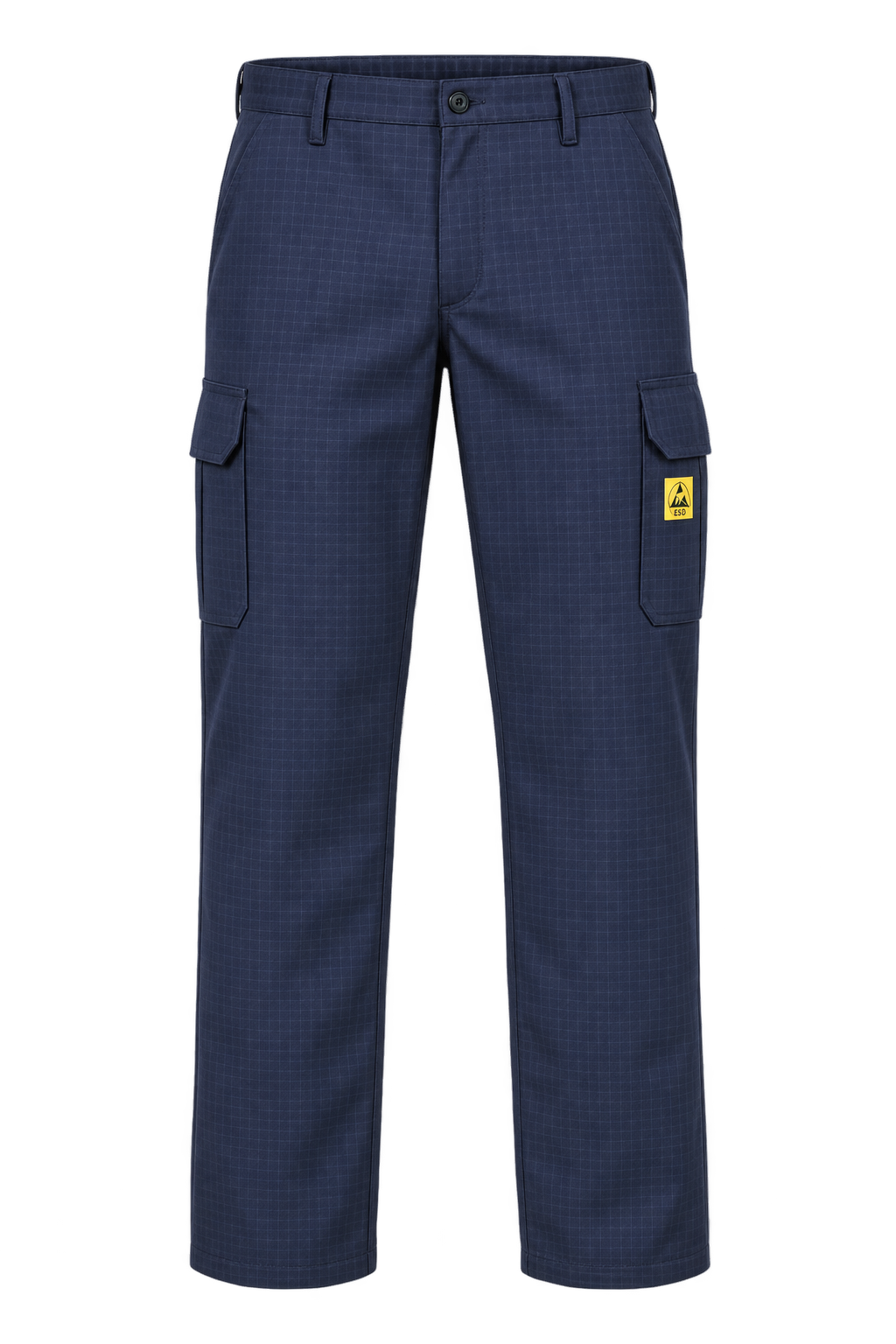
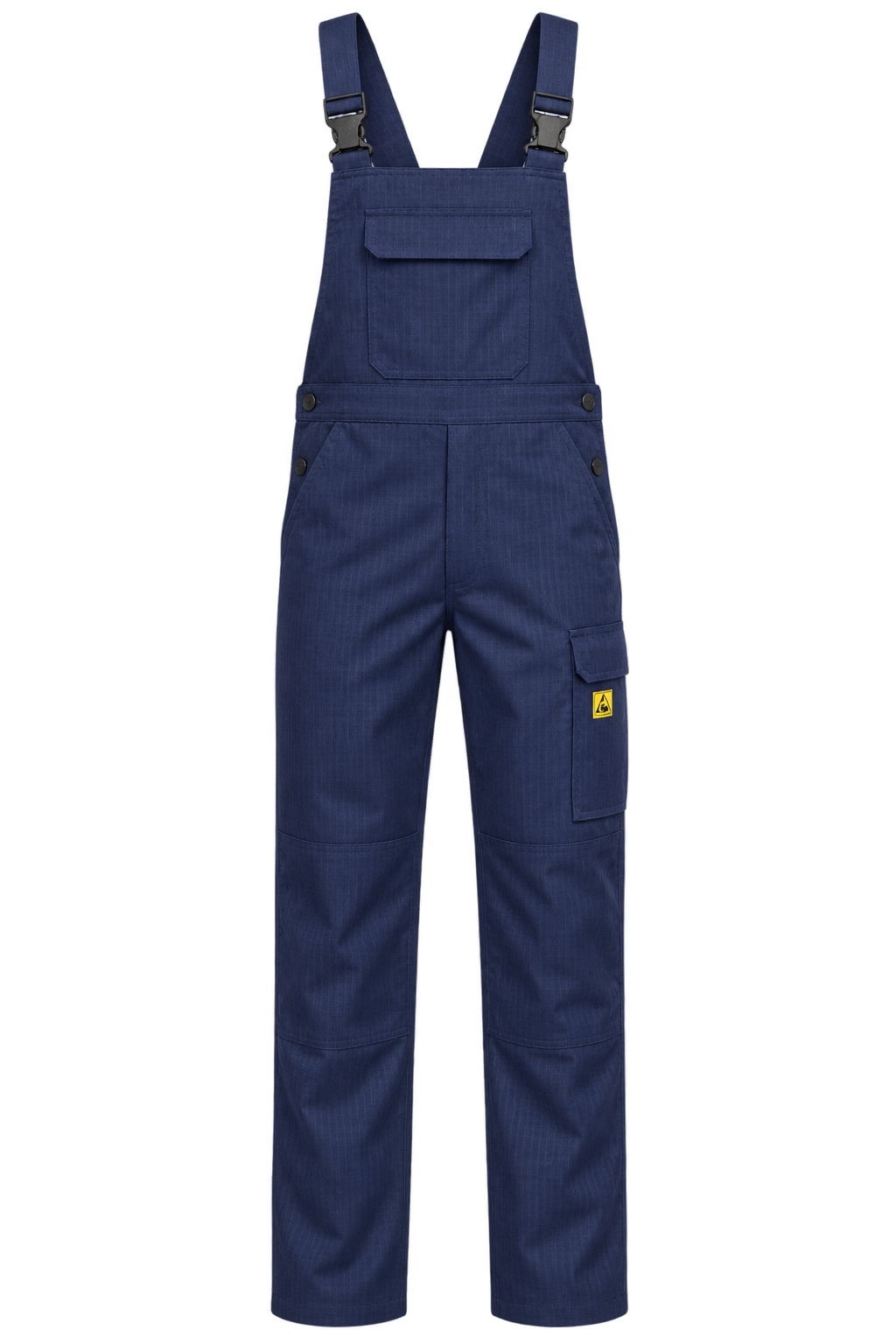
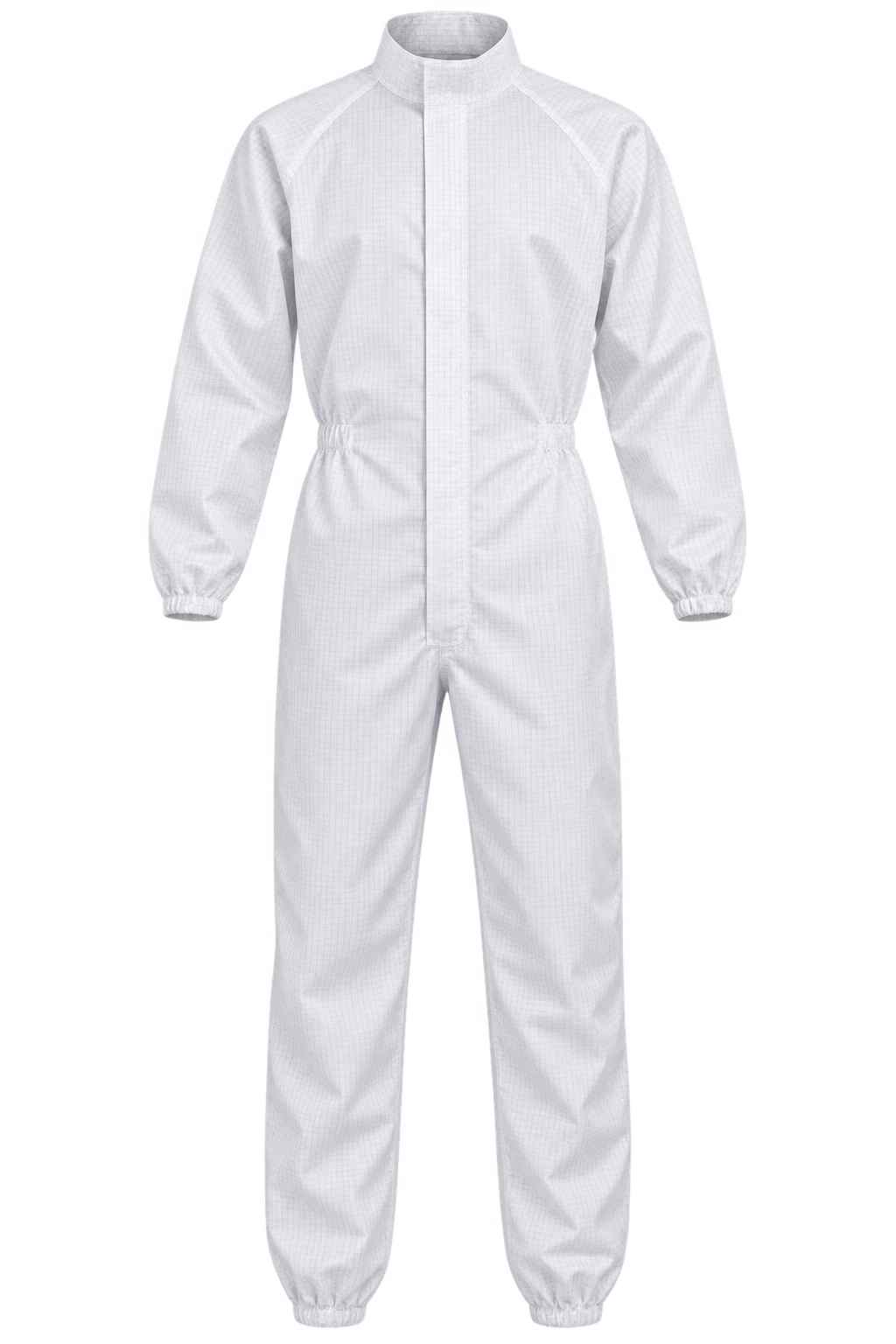
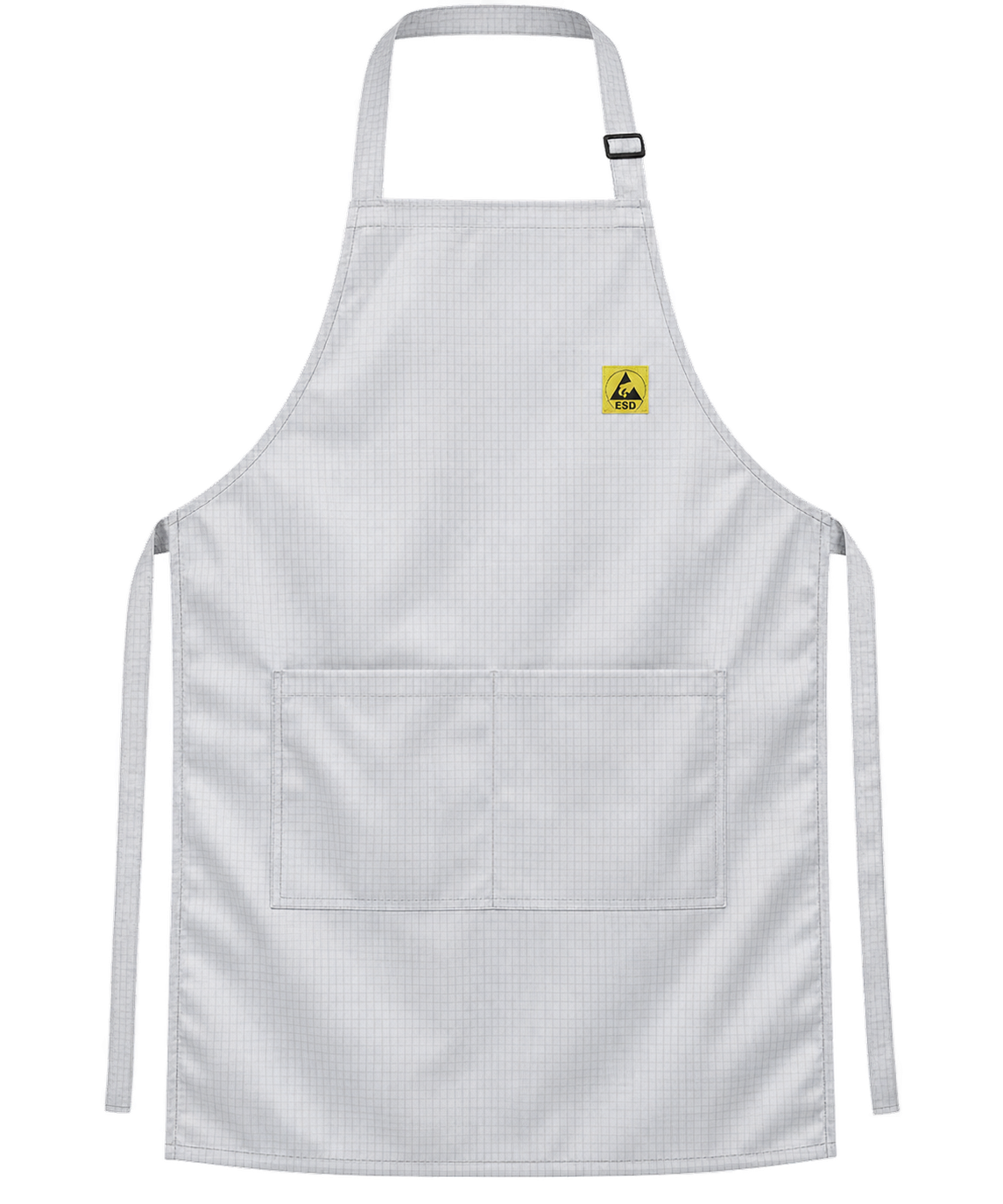
EN 1149-5 is a European standard specifying material performance and design requirements for electrostatic dissipative protective clothing.
Antistatic workwear designed to meet EN 1149-5 requirements helps control the accumulation of electrostatic charge when used as part of an appropriately earthed system. This is particularly relevant in industrial environments where an electrostatic discharge could create an ignition risk.
The appropriate antistatic garment should be selected according to the workplace risk assessment, operating conditions and applicable PPE requirements.
EN 1149-5 antistatic clothing is not electrical-insulating clothing and should not be considered protection against mains electricity.
Antistatic protective clothing can be relevant across industrial environments where electrostatic charge accumulation or discharge has been identified as a workplace risk.
Zaksberg supports application-specific antistatic workwear requirements across the following industries.
Lithium-ion battery production involves specialized manufacturing processes where electrostatic control may be required.
Zaksberg supports antistatic workwear requirements for relevant battery cell production, battery assembly and energy-storage manufacturing environments based on the requirements of each production area.
Electrical equipment manufacturing can involve production processes requiring controlled electrostatic dissipation.
Petrochemical and gas-processing facilities can include environments where flammable gases, vapours or other ignition-sensitive materials are present.
Where electrostatic discharge is identified as an ignition risk, appropriately specified antistatic clothing can form part of the overall workplace safety system.
Oil and gas operations require protective workwear to be selected according to the hazards associated with specific processes and working environments.
EN 1149-5 antistatic workwear can support electrostatic charge control where required by the workplace risk assessment.
Chemical manufacturing and processing can involve environments where flammable substances are present and electrostatic discharge needs to be controlled.
Mining and mineral-processing operations can present demanding working conditions and multiple workplace hazards.
Where electrostatic ignition risks have been identified, antistatic protective clothing can be incorporated into a broader PPE and workplace safety program.
Certain food-production environments may require electrostatic charge control because of specific processes, materials, equipment or operating conditions.
Zaksberg can develop antistatic workwear according to the technical, hygiene and operational requirements of applicable food-production facilities.
Where electrostatic control is required within meat-processing operations, antistatic workwear can be specified according to the facility's production, hygiene and workplace requirements.
For dairy-processing environments where electrostatic charge management has been identified as a requirement, antistatic workwear can be developed according to the facility's technical, operational and hygiene specifications.
Automated food-processing and packaging facilities use specialized production machinery and high-speed systems.
Where electrostatic charge control is required by the process or workplace risk assessment, appropriate antistatic workwear can form part of the overall control strategy.
EV manufacturing combines battery systems, electronic components, automated production equipment and conventional automotive production processes.
Antistatic workwear can support relevant operations across electric car, motorcycle, commercial vehicle and truck manufacturing where electrostatic charge control has been identified as a requirement.
Paint and coatings manufacturing can involve flammable materials, solvents and specialized production processes.
Where electrostatic discharge presents an identified ignition risk, appropriately specified antistatic workwear can contribute to the overall electrostatic-control system.
Automotive body shops and painting operations can require specialized workwear according to the materials, processes and workplace hazards involved.
Antistatic workwear can be specified for relevant painting environments where controlled electrostatic dissipation is required.
Lithium-ion battery and electric vehicle manufacturing involve multiple production stages, each with different workplace and electrostatic-control requirements.
Requirements may vary across battery cell production, battery assembly, component manufacturing, vehicle assembly and other controlled manufacturing processes.
Rather than applying one garment specification across an entire facility, Zaksberg can work with manufacturers to develop antistatic workwear specifications appropriate to individual departments, workforce roles and operating environments.
Oil, gas and petrochemical facilities can include working environments where electrostatic discharge represents a potential ignition hazard.
Where identified through workplace risk assessment, EN 1149-5 antistatic protective clothing can form part of a broader electrostatic-control and PPE system.
Zaksberg supports industrial customers requiring standardized antistatic workwear for employees across production, processing and other relevant operational areas.
Where additional protective properties are required, the complete garment specification should be developed according to the applicable standards.
Chemical, paint and coatings manufacturing environments can involve flammable substances and processes requiring controlled electrostatic dissipation.
Zaksberg develops antistatic workwear according to the operational requirements of relevant production environments.
Antistatic performance should not be considered equivalent to chemical or flame protection. Where additional hazards exist, the appropriate protective requirements and standards must be separately specified.
EN 1149-5:2018 specifies material performance and garment design requirements for electrostatic dissipative protective clothing.
For industrial procurement teams, it is important to distinguish between a material described as antistatic and a complete garment manufactured and documented according to the applicable requirements.
The certification, test documentation and garment specification should therefore be verified for the specific product and intended application.
Antistatic workwear and ESD workwear both relate to electrostatic control, but they should not automatically be treated as the same type of protective clothing. The appropriate garment should be selected according to the workplace, process, electrostatic risk and applicable technical requirements.
EN 1149-5 antistatic protective clothing is relevant to specified working environments where electrostatic discharge could contribute to an ignition hazard.
ESD workwear is commonly associated with electrostatic-control programs designed to protect electrostatic-sensitive electronic components and devices.
Material selection is an important part of developing effective antistatic workwear.
Depending on the intended application, garment specifications should consider:
Zaksberg works with industrial customers to develop garment specifications based on the intended working environment and required performance.
Industrial organizations often require workwear to meet both technical requirements and company-specific workforce standards.
Zaksberg supports custom antistatic workwear manufacturing based on approved garment specifications.
Any customization affecting protective performance should remain consistent with the applicable certified garment specification.
Zaksberg supports bulk antistatic workwear requirements for industrial organizations requiring consistent specifications across employees, departments and locations.
Our structured B2B manufacturing process can cover:
Understanding the operational, workforce and technical requirements.
Reviewing material and construction requirements.
Developing samples for technical and commercial evaluation.
Garment specification is agreed and approved before production.
Production according to approved specification and quantities.
Finished garments checked against agreed specification.
Prepared according to agreed packaging requirements.
Orders delivered according to agreed logistics requirements.
Supported through structured repeat-order programs.
This approach helps organizations maintain consistency across initial production and recurring workwear requirements.
Businesses operating multiple factories, production units or facilities need consistent workwear specifications across their workforce.
Zaksberg supports centralized antistatic workwear programs designed to maintain consistent garment specifications, sizing, branding and quality across multiple operating locations.
Structured repeat-supply programs can also help organizations simplify ongoing procurement and workforce uniform management.
Zaksberg combines technical product development with scalable B2B manufacturing to support organizations requiring specialized antistatic workwear.
Our approach includes:
The objective is to provide industrial organizations with a structured workwear program aligned with their technical, operational and workforce requirements.
Selecting antistatic workwear should begin with an assessment of the actual working environment and identified electrostatic hazards.
Industrial buyers should consider:
What electrostatic hazard exists?
Is there a potentially flammable or explosive atmosphere?
Which protective clothing standard is required?
Are additional workplace hazards present?
Is additional protective performance required?
What level of garment coverage is needed?
What are the working conditions?
How frequently will garments be laundered?
What certification and testing documentation is required?
Will the same specification be required across multiple locations?
These requirements can then be translated into an appropriate garment and manufacturing specification.
Antistatic workwear should be selected according to the workplace environment, electrostatic hazards, required standards and workforce requirements.
Zaksberg supports businesses from initial requirement analysis and sampling through customization, bulk manufacturing, quality control and repeat supply.
Whether your requirement is for lithium-ion battery manufacturing, EV and automotive production, oil and gas, petrochemical processing, chemical manufacturing, paint manufacturing, mining, electrical equipment manufacturing or applicable food-processing environments, speak with Zaksberg about developing an antistatic workwear program for your organization.


