Europe's Sustainable Workwear Brand
Europe's Sustainable Workwear Brand


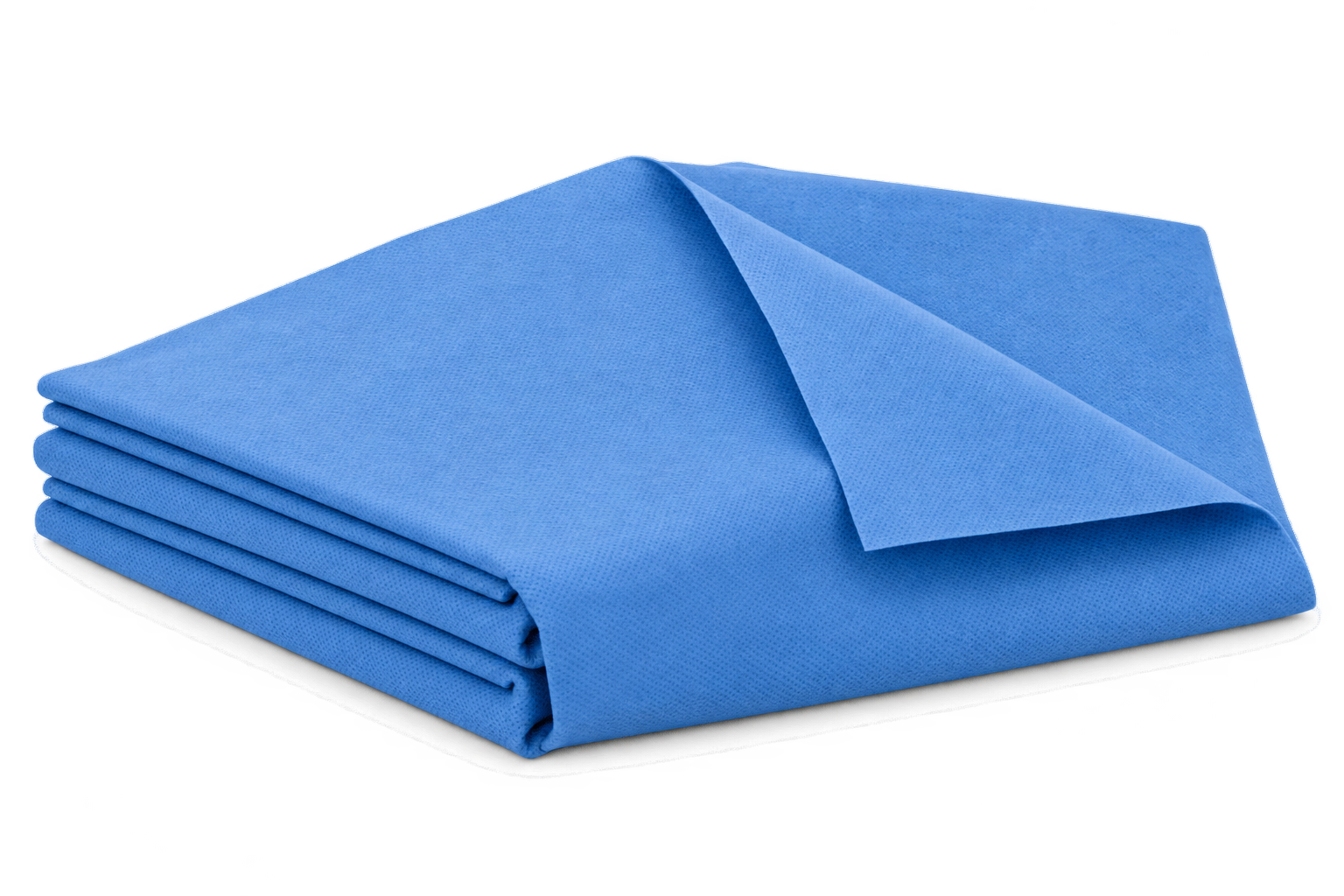
A reusable sterilization wrap is a sterile-barrier textile designed to enclose medical devices, surgical instruments or instrument sets during an appropriate validated sterilization process.
Unlike disposable sterilization wraps, reusable textile wraps are designed to undergo repeated processing according to validated instructions while continuing to satisfy the applicable performance requirements throughout their defined service life.
An effective sterilization wrap needs to balance multiple requirements. It should permit the applicable sterilizing agent to reach the enclosed contents while helping protect the packaged contents from contamination after processing and during appropriate handling and storage.
For reusable systems, those requirements need to continue to be satisfied throughout the validated lifecycle of the product.
Central Sterile Supply Departments require packaging systems that work within established cleaning, inspection, packaging, sterilization, storage and distribution workflows. Reusable sterilization wraps can be developed for use within appropriate healthcare sterile-processing systems. Important considerations include:
The exact requirements depend on the product specification, intended sterilization method, load configuration, applicable standards and destination market.
Reusable sterilization wraps provide an alternative to single-use sterilization-wrap systems where reusable textile systems are operationally, technically and regulatorily appropriate.
Reusable woven sterilization wraps are designed to undergo repeated processing according to validated instructions. The usable lifecycle depends on the textile construction, processing conditions, inspection criteria and continued ability of the product to satisfy applicable performance requirements.
The wrap is designed as part of a system intended to allow appropriate sterilization while supporting maintenance of the sterile barrier after processing and until use under validated conditions.
Reusable wraps can form part of hospital textile and sterile-processing workflows where facilities have suitable laundering, inspection, packaging and sterilization capabilities.
Instead of considering only the initial purchase price, hospitals can assess reusable sterilization wraps based on total cost per validated use.
Where clinically and operationally appropriate, reusable textile systems may help healthcare organizations reduce dependence on single-use sterilization-wrap materials.
Sterilization wrap is a technical medical textile application. Product development therefore needs to begin with the intended use, applicable sterilization process and required performance specification. Zaksberg can support projects through:
Performance, compatibility, reuse-cycle and compliance claims should be established from product-specific validation and supporting documentation.
Reusable sterilization wraps require a balance between sterile-barrier performance, sterilization compatibility, physical durability and repeated processing. Depending on the product and applicable requirements, important characteristics may include:
The packaging system must be appropriate for the validated sterilization process and permit the sterilizing agent to reach the enclosed medical devices as required.
The system should provide the required barrier against microbial ingress according to the applicable requirements.
The material needs suitable strength for wrapping, processing, handling and storage within its validated conditions of use.
Reusable wraps should be evaluated for appropriate resistance to tearing and physical damage.
These characteristics may influence sterilization performance and are relevant to the technical evaluation of reusable woven sterilization-wrap materials.
Relevant resistance characteristics should be evaluated according to the applicable product specification and test methods.
The material should provide appropriate handling characteristics for wrapping compatible instrument trays or medical devices according to the validated wrapping technique.
Reusable wrap performance needs to be considered following repeated processing, not only when the textile is new.
Applicable standards and regulatory requirements depend on the intended market, sterilization method and product claims.
ISO 11607-1 addresses requirements for materials, sterile barrier systems and packaging systems intended to maintain the sterility of terminally sterilized medical devices until point of use.
For reusable packaging systems, lifecycle and repeated-processing considerations are particularly important.
ISO 11607-2 addresses validation requirements for forming, sealing and assembly processes used in packaging systems for terminally sterilized medical devices.
The complete sterile-barrier system therefore involves more than the wrap material alone.
EN 868-2:2025 specifies requirements and test methods specifically for sterilization-wrap materials. The standard covers:
used as sterile barrier systems and/or packaging systems for terminally sterilized medical devices. It includes product-specific requirements and test methods relating to characteristics such as material strength, permeability, porosity, water resistance and other relevant properties.
For Indian-market products, applicable medical-device, sterile-barrier and packaging requirements should be determined according to the intended product classification, claims and use.
IS/ISO 11607-1 provides the Indian adoption of requirements concerning materials, sterile barrier systems and packaging systems for terminally sterilized medical devices.
Reusable sterilization wraps differ fundamentally from conventional textile sheets. A textile should not be marketed as a reusable sterilization wrap solely because it can withstand repeated washing or sterilization.
The finished product and sterile-barrier system need to be evaluated according to the intended application and applicable performance requirements. This can include evaluation of:
Product specifications should therefore be established before bulk manufacturing.
Reusable woven and disposable sterilization wraps represent different sterile-processing models. The appropriate option depends on the hospital's sterilization processes, infection-control requirements, available reprocessing infrastructure, product validation and lifecycle economics.
| Consideration | Reusable Sterilization Wrap | Disposable Sterilization Wrap |
|---|---|---|
| Usage model | Designed for repeated validated processing | Generally single use |
| Typical material | Reusable woven textile | Commonly nonwoven or paper-based material |
| Reprocessing | Required | Generally not reprocessed |
| Inspection | Required between uses | Not reused |
| Laundry requirement | Required according to validated process | Generally not required |
| Cost assessment | Cost per validated use | Cost per use |
| Lifecycle | Defined by validation and inspection criteria | Single-use lifecycle |
| Waste profile | May reduce single-use material consumption | Disposed of after use |
Selection should be based on the requirements of the complete sterile-processing system rather than purchase price alone.
CSSD, infection-control and procurement teams should consider the complete sterile-barrier system.
Define the medical devices, instrument trays or load configurations for which the wrap is intended.
Determine the sterilization process with which the product will be used and establish compatibility through appropriate validation.
Evaluate the material and packaging system against applicable sterile-barrier requirements.
Review textile construction, strength, permeability and other relevant characteristics.
Select dimensions appropriate for the intended instrument sets and validated wrapping method.
Establish validated requirements for laundering, drying, inspection and preparation before reuse.
A reusable product should have evidence supporting its defined service life or an appropriate method for determining end of life.
Healthcare facilities need procedures for detecting holes, tears, abrasion, staining, material degradation or other conditions requiring the wrap to be removed from service.
Where required, reusable textile programs should incorporate suitable identification and lifecycle-management procedures.
Buyers should evaluate technical specifications, instructions for use, validation evidence, test documentation and applicable regulatory information.
Lifecycle management is one of the most important differences between reusable and single-use sterilization wraps. Reusable wraps should be processed according to validated instructions and inspected before subsequent use. A reusable-wrap program may need procedures covering:
A reusable wrap should be evaluated according to the manufacturer's validated inspection and retirement criteria. Potential reasons for removing a wrap from service can include:
Healthcare facilities should follow the applicable instructions for use and their validated sterile-processing procedures.
Zaksberg can evaluate reusable sterilization-wrap requirements according to the customer's technical specification and intended market. Customization may include:
All customizations are subject to technical feasibility, validation requirements and applicable regulatory requirements.
Hospitals and sterile-processing departments use different tray and instrument-set configurations. Zaksberg can evaluate custom-size requirements based on the intended application and customer specification.
Instead of choosing dimensions solely from a generic size chart, buyers should consider:
Final dimensions should be validated for the intended sterile-barrier system.
Share the intended use, destination market, sterilization method, load requirements, dimensions and estimated quantities.
The required textile construction, performance characteristics and applicable standards are reviewed.
The product is developed around the agreed technical specification.
Samples can be produced for technical assessment and validation activities.
Applicable product and sterile-barrier characteristics should be evaluated against the defined requirements.
The specification is finalized based on the required technical and commercial approvals.
Production proceeds according to the approved specification.
Products are evaluated against defined manufacturing and quality requirements.
Finished products are prepared according to agreed packaging, labelling, documentation and delivery requirements.
Zaksberg reusable sterilization-wrap manufacturing is intended for institutional and B2B requirements. We can work with:
Reusable sterile-processing textile requirements across individual or multiple facilities.
Specification-driven products for established sterile-processing workflows.
Reusable sterile-barrier textile requirements for applicable surgical instrument systems.
Products intended for managed reusable healthcare textile programs.
Bulk manufacturing for institutional healthcare distribution.
Manufacturing based on approved customer specifications and destination-market requirements.
Zaksberg combines textile manufacturing experience with a specification-driven approach to reusable medical textile development. Our B2B capabilities include:
For technical medical textiles such as reusable sterilization wraps, our approach begins with intended use and required performance rather than treating the product as a conventional textile.
Looking for a reusable sterilization wrap manufacturer for your hospital, CSSD, medical distribution business or reusable healthcare textile program?
Our team can review your technical and commercial requirements and discuss the appropriate manufacturing approach.


